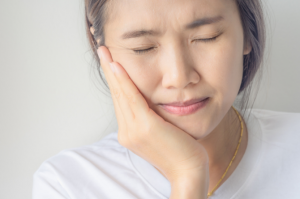

The temporomandibular joint (TMJ) is a crucial part of your body that you may not think about often—until something goes wrong. This unique hinge connects your lower jaw to your skull, allowing you to chew, talk, and yawn smoothly. However, when the joint is disrupted, it can lead to TMJ disorders, a condition that causes pain, headaches, and other unpleasant symptoms.
A staggering number of individuals suffer from undiagnosed TMJ disorder, with many attributing their symptoms to stress, poor posture, or generalised jaw pain. Yet, understanding the root causes of TMJ headaches and recognising their common symptoms can lead to effective treatment and long-lasting relief.
This blog delves into what TMJ disorder entails, the difference between TMJDvs normal jaw function, and practical solutions for relief. Additionally, it highlights how DP Dental, with its functional and patient-focused approach, offers innovative care for those experiencing jaw discomfort.
What is TMJ?
The temporomandibular joint (TMJ) is a pivotal structure that connects the lower jaw (mandible) to the temporal bone of the skull, situated just in front of each ear. This bilateral joint is unique in its ability to perform both hinge and sliding motions, facilitating essential functions such as chewing, speaking, and yawning. Its complex anatomy includes the mandibular condyle, the articular disc, and the mandibular fossa of the temporal bone, all encapsulated within a fibrous capsule. [1]
When the TMJ operates optimally, these movements occur smoothly and without discomfort. However, dysfunctions can arise from various factors, leading to temporomandibular disorders (TMD). These disorders encompass a range of symptoms that can significantly impact daily life.
Common TMJ symptoms include:
- Jaw pain or tenderness: Often more pronounced in the morning, this discomfort can result from nocturnal teeth grinding or clenching.
- Audible noises during jaw movement: Clicking, popping, or grinding sounds when opening or closing the mouth may indicate displacement of the articular disc or other joint irregularities.
- Difficulty in chewing or biting: A sensation that the teeth are misaligned can make eating challenging and uncomfortable.
- Associated symptoms: Headaches, tinnitus, and facial swelling are also commonly reported by individuals with TMJ disorders.
In Singapore, the prevalence of TMD is notable. A study focusing on Asian patients highlighted the significance of psychological distress and psychosocial dysfunction as contributing factors to TMD, emphasising the multifaceted nature of this condition. [2]
Early evaluation and intervention are crucial. If you suspect a TMJ disorder, seeking prompt professional assessment can prevent the progression of symptoms and improve quality of life.
What Causes TMJ Disorders?
Understanding the causes of TMJ disorders helps in tailoring effective treatment strategies. Here are some details:
- Mouth Breathing & Poor Tongue Posture
- Chronic mouth breathing leads to low tongue posture, which weakens the jaw and facial muscles.
- When the tongue does not rest on the roof of the mouth to scaffold the upper palate (or base of the head), the cheeks push inward on the teeth, leading to the narrowing of the upper jaw, and that causes the lower jaw to be pushed back and increases pressure on the TMJ.
- In children and teens, persistent mouth breathing can result in imbalanced jaw and tooth development, potentially leading to TMJ problems later in life.
- Clenching & Grinding (Bruxism) Due to Airway Resistance
- Recent research shows grinding (bruxism) is often a response to airway obstruction.
- Mouth breathing during sleep causes the tongue to drop from its natural position on the roof of the mouth, thereby obstructing the airway. When the airway partially collapses during sleep, the body automatically clenches the jaw to push it forward and reopen the airway.
- This constant jaw movement strains the TMJ, leading to joint wear, inflammation, and pain.
- Bite Imbalance & Jaw Misalignment
- Teeth that are misaligned or crowded can create uneven pressure on the jaw joint. An improper bite can put extra stress on the TMJ, leading to pain and dysfunction.
TMJ Headaches and Their Symptoms
One of the most overlooked symptoms of TMJ disorders is TMJ headaches. Unlike typical headaches, which may result from tension or migraines, TMJ headaches are linked to jaw dysfunction and muscle tension. TMJ disorders affect approximately 5% to 12% of the population, with higher prevalence among younger individuals. Notably, these disorders are at least twice as common in women as in men. [3]
These headaches often manifest with:
- Pain Radiation: Discomfort typically originates in the jaw and extends to the temples, creating a radiating pain pattern.
- Ear Discomfort: Individuals may experience ear pain or a sensation of fullness, which is sometimes mistaken for an ear infection.
- Jaw Stiffness: A tight or stiff jaw, particularly noticeable after waking up or following meals, is common.
TMJ vs normal jaw function becomes evident when headaches and jaw pain accompany activities like chewing, yawning, or speaking. Left untreated, these headaches can significantly impact a person’s quality of life, making it essential to seek appropriate care.
The Worst Symptoms of TMJ Disorders
While mild cases of TMJ disorder may cause temporary discomfort, untreated or severe cases can result in debilitating symptoms. These include:
- Chronic Pain: Persistent pain in the jaw, face, or neck is a hallmark of advanced TMJ disorders. This discomfort can radiate to the shoulders and upper back, significantly impacting daily activities. Studies indicate that approximately 15% of individuals with untreated TMJ disorders develop chronic conditions, leading to ongoing pain and functional limitations.
- Restricted Jaw Movement: Difficulty in fully opening or closing the mouth, often referred to as “lockjaw,” is a severe symptom of TMJ disorders. This restriction can hinder essential functions such as eating and speaking, thereby diminishing the quality of life. In advanced stages, TMJ dysfunction may become chronic, characterised by significant jaw movement restriction and the possibility of permanent joint damage if left untreated.
- Long-Term Damage: Over time, untreated TMJ disorders can lead to erosion of the joint or dislocation, complicating treatment. The wear and tear on the temporomandibular joints can worsen, potentially necessitating surgical intervention to repair or replace the joint.
Recognising these severe symptoms early can prevent irreversible damage to the temporomandibular joint.
Functional Solutions for TMJ Disorders at DP Dental
DP Dental offers a approach to treating TMJ disorders, combining advanced technology with a patient-first philosophy. With over 18 years of experience, their team provides ethical and evidence-based care tailored to individual needs.
Why Choose DP Dental? Our holistic approach ensures long term relief and full jaw function restoration for lasting results.
- Comprehensive Evaluation (X-rays, 3D Jaw Tracking, Posture & Airway Analysis)
We conduct a thorough evaluation using X-rays and 3D jaw tracking to assess your jaw alignment, detect any abnormalities, and analyse your posture and airway to identify potential issues causing TMJ dysfunction. - Custom Jaw Joint Guard (JJG) Based on Muscle Relaxation (TENS Therapy)
Using TENS therapy, we relax your jaw muscles to find the most natural jaw position. A custom JJG is then created to support your jaw in that optimal position, promoting pain relief and stability. - Uses Clear Aligners to Correct Bite Issues (If Needed)
If your bite misalignment is contributing to TMJ problems, we use clear aligners to gradually correct the bite, improving jaw function, posture, and airway alignment. - Includes Myofunctional Therapy for Muscle Function Correction
We incorporate myofunctional therapy, which focuses on training your tongue, jaw, and facial muscles. This helps to correct muscle imbalances and ensure your jaw stays aligned in the long run. - Tracks Progress with Follow-Ups for Long-Term Stability
After treatment, we schedule follow-up appointments to track your progress, assess improvements in pain and function, and make any necessary adjustments to your treatment plan to ensure long-term results.
DP Dental provides accessible solutions for those seeking relief from TMJ headaches and other symptoms.
Tips for Managing TMJ Symptoms
Managing TMJ symptoms effectively often requires a combination of professional care and lifestyle adjustments. While dental intervention is essential for long-term relief, these practical strategies can help alleviate discomfort at home:
- Practice Good Oral Posture
The jaw opening and closing path is guided by our lips and tongue. When the lips are together, and the tongue rests against the palate, the upper and lower jaws stay in a neutral position. This reduces unnecessary strain on the TMJ and promotes better muscle balance.
- Red light therapy
Red light therapy helps reduce inflammation and promote healing in the jaw muscles and joints. It improves circulation, relaxes tight muscles, and may accelerate recovery from TMJ-related pain.
- Stress Management
Since stress often leads to jaw clenching or teeth grinding, managing stress levels is key.
One of the most effective ways to reduce stress and relax the jaw is through conscious breathing techniques.
Keeping your mouth closed and breathing slowly through your nose not only promotes calmness but also prevents unnecessary jaw movement that could aggravate TMJ symptoms.
Hydration and General Wellness
- Staying hydrated keeps joints lubricated and functioning optimally.
- Prioritise overall health through a balanced diet and regular physical activity, which supports joint and muscle health.
Incorporating these tips into your daily routine helps manage mild TMJ symptoms and complements any professional treatment plan. For persistent or severe symptoms, consulting a professional is essential to avoid complications.
When to Seek Help for TMJ Disorders
If you’re experiencing persistent jaw pain, headaches, or other symptoms, it’s time to consult a professional. Early diagnosis and treatment can prevent complications and improve your quality of life.
DP Dental recommends scheduling a consultation if you experience:
- Frequent headaches that worsen with jaw movement.
- Clicking or popping sounds in your jaw.
- Difficulty chewing or opening your mouth.
- Tinnitus (ringing in the ears).
Talk to Us About TMJ Disorder
Your well-being begins with understanding what is TMJ and ensuring proper care for your jaw health. At DP Dental, we provide ethical, minimally-invasive solutions that address the root causes of TMJ disorder, prioritising your long-term comfort and health.
If jaw pain, clicking or headaches are affecting your daily life, we can assess what is driving them and talk through the options with you.